
As of July 1, 2026, asbestos surveys required before certain operations on civil engineering structures, transport infrastructure, and utility networks are changing. The June 4, 2024 Order makes compliance with the NF X 46-102 standard mandatory, setting out the methodological guidelines for asbestos surveys prior to works.
This regulatory change directly affects local authorities, departments, metropolitan authorities, network operators, concession holders, and all project owners carrying out work on their infrastructure.
But what does this regulation actually change? And what are the implications for future construction and maintenance projects?
Why Has the Regulatory Framework Changed?
Asbestos was widely used until it was banned in 1997. Today, it may still be present in many civil engineering structures, including certain road surfacings, bridges and other structures, utility networks, and technical equipment.
Before carrying out any work that could disturb these structures, it is essential to identify the potential presence of asbestos-containing materials or products in order to protect workers and adapt working conditions accordingly.
To address this issue, the NF X 46-102 standard, published in 2020, establishes a common methodology for identifying asbestos in civil engineering structures, transport infrastructure, and utility networks. Following the June 4, 2024 Order, this methodology will become the applicable reference framework as of July 1, 2026.
A Methodology That Goes Beyond Material Sampling
An asbestos survey is not limited to carrying out core samples or laboratory analyses.
The NF X 46-102 standard covers the entire asbestos survey process, including:
reviewing the available documentation;
defining a survey strategy tailored to the planned works;
inspecting the structures concerned;
carrying out a visual inspection;
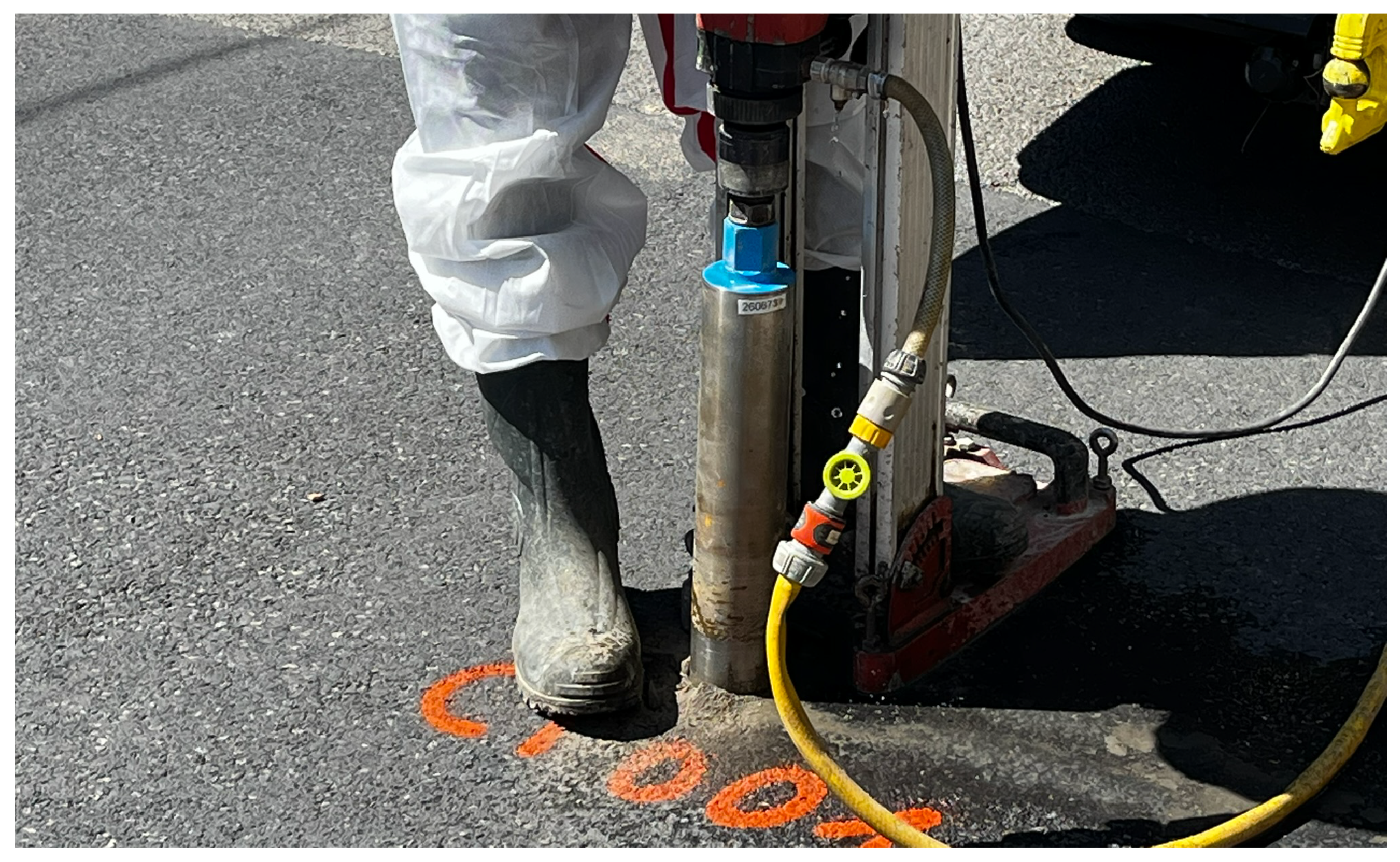
conducting additional investigations, surveys, or sampling where necessary;
preparing a report stating whether or not asbestos is present within the scope investigated.
The aim is to provide the project owner with reliable information to help them plan and carry out their project under appropriate conditions.
What Does This Mean for Project Owners?
Applying this standard helps project owners better anticipate upcoming works.
Carrying out an asbestos survey in advance helps to:
better assess the risks of asbestos exposure;
adapt contractors’ work methods accordingly;
anticipate the management of asbestos-containing materials and waste;
reduce the risk of work stoppages caused by the discovery of asbestos during construction;
provide reliable information when preparing and issuing tenders.
The guide published by Cerema also highlights the central role of the project owner in this process. The project owner must provide contractors with the information they need to assess the asbestos risk within the relevant scope of work.
Planning Ahead for Future Projects
Although the regulatory requirement will come into force on July 1, 2026, many infrastructure managers have already started implementing this approach.
Preparing future projects in advance makes it possible to gradually build a comprehensive understanding of existing assets, improve work planning, and avoid technical or financial constraints during construction.
This proactive approach is particularly relevant for road maintenance programs, rehabilitation projects, and utility network renewal projects.
NextRoad Is Here to Support You Through This Transition
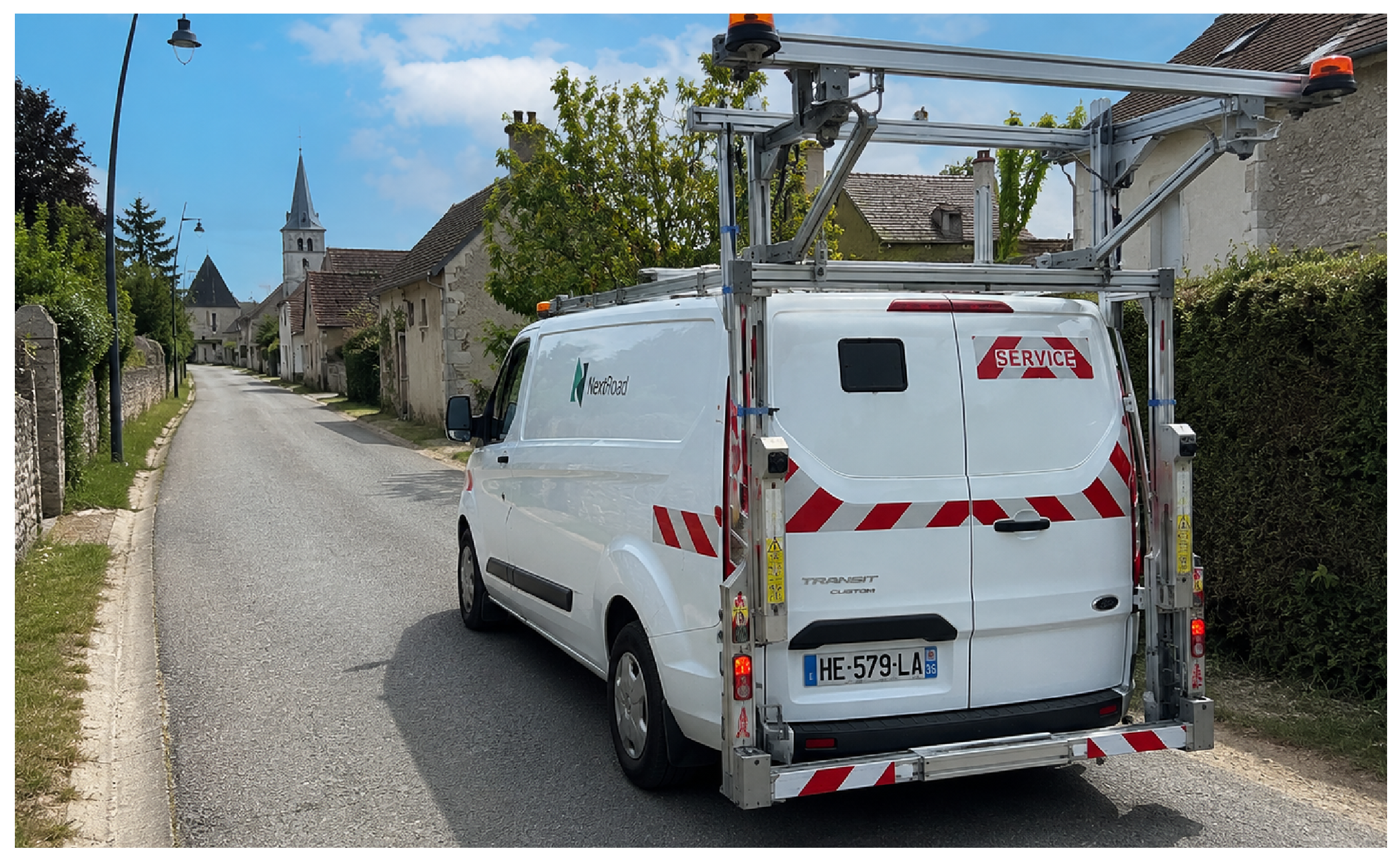
At NextRoad, our teams have the expertise required to carry out asbestos surveys before work in accordance with NF X 46-102.
Our teams are trained in all stages of the survey process, including analysis of the planned works, definition of the survey strategy, inspection of the structures concerned, on-site investigations, sampling, and preparation of the survey report.
This expertise enables us to support project owners in preparing and carrying out asbestos surveys before work on the relevant transport infrastructure, civil engineering structures, and utility networks.
The certification of our teams is currently underway and will further strengthen this approach in the coming months.
New Expertise to Better Serve Our Clients
The evolving regulatory requirements are prompting infrastructure stakeholders to adapt their practices and anticipate the needs of future projects.
By developing this expertise, NextRoad has one clear objective: to provide its clients with support tailored to the new requirements for asbestos surveys before work and help them prepare their projects under the best possible conditions.