

Preventive Maintenance: Why Acting Early Can Cost Up to 20 Times Less
Delaying intervention on a pavement can cost up to 20 times more than doing preventive road maintenance at the right time. In fact, many local authorities, road maintenance is still largely reactive. The reasons are well known: limited visibility into the actual condition of the network, strong tight budgets, and difficult prioritization decisions.
Why Is Maintenance Often Delayed?
In practice, decisions on the ground are rarely straightforward. Between limited budgets, competing priorities, and the daily management of emergencies, postponing maintenance work often becomes the default option.
However, delaying maintenance comes at a cost.
Meanwhile, the pavement continues to deteriorate silently, but at an faster over time.
Pavement Deterioration: An Accelerating Process
Contrary to common belief, pavement deterioration is not linear. It follows an exponential curve: slow at first, then increasingly rapid over time.
Phase 1: Early but Critical Signs
At the beginning, the first signs of deterioration are often barely visible:
- Minor surface wear
- Microcracks
- Localized waterproofing defects
At this stage, preventive maintenance remains simple, fast, and cost-effective. Moreover, early action helps prevent further deterioration and significantly extends pavement lifespan.
Phase 2 : Structural Deterioration Begins
However, without timely intervention, water gradually infiltrates the pavement layers. Consequently, the structure progressively weakens, leading to:
- Deformations
- Surface breakouts
- Deep structural damage
At this point, surface-level solutions are no longer sufficient. Major rehabilitation works become necessary.
In less than 15 years, a pavement can evolve from requiring simple surface treatment to needing full reconstruction.

Preventive Maintenance vs Corrective Maintenance: Very Different Impacts
The difference between these two approaches is significant, both in terms of cost and daily operations.
Preventive maintenance: acting early helps maintain pavements at a high level of quality through controlled investment. Costs are predictable, interventions are less disruptive, and the impact on road users remains minimal.
Corrective maintenance: waiting too long leads to far more complex and expensive operations. Worksites last longer, traffic disruptions increase, and in some cases the pavement structure must be completely rebuilt.
Moreover, implementing regular road infrastructure maintenance not only generates significant cost savings, but also helps reduce the CO₂ emissions associated with heavy rehabilitation works.
How to Implement a Preventive Maintenance Strategy?
Moving from a reactive approach to proactive road management is based on three main principles.
- Understanding the Road Network
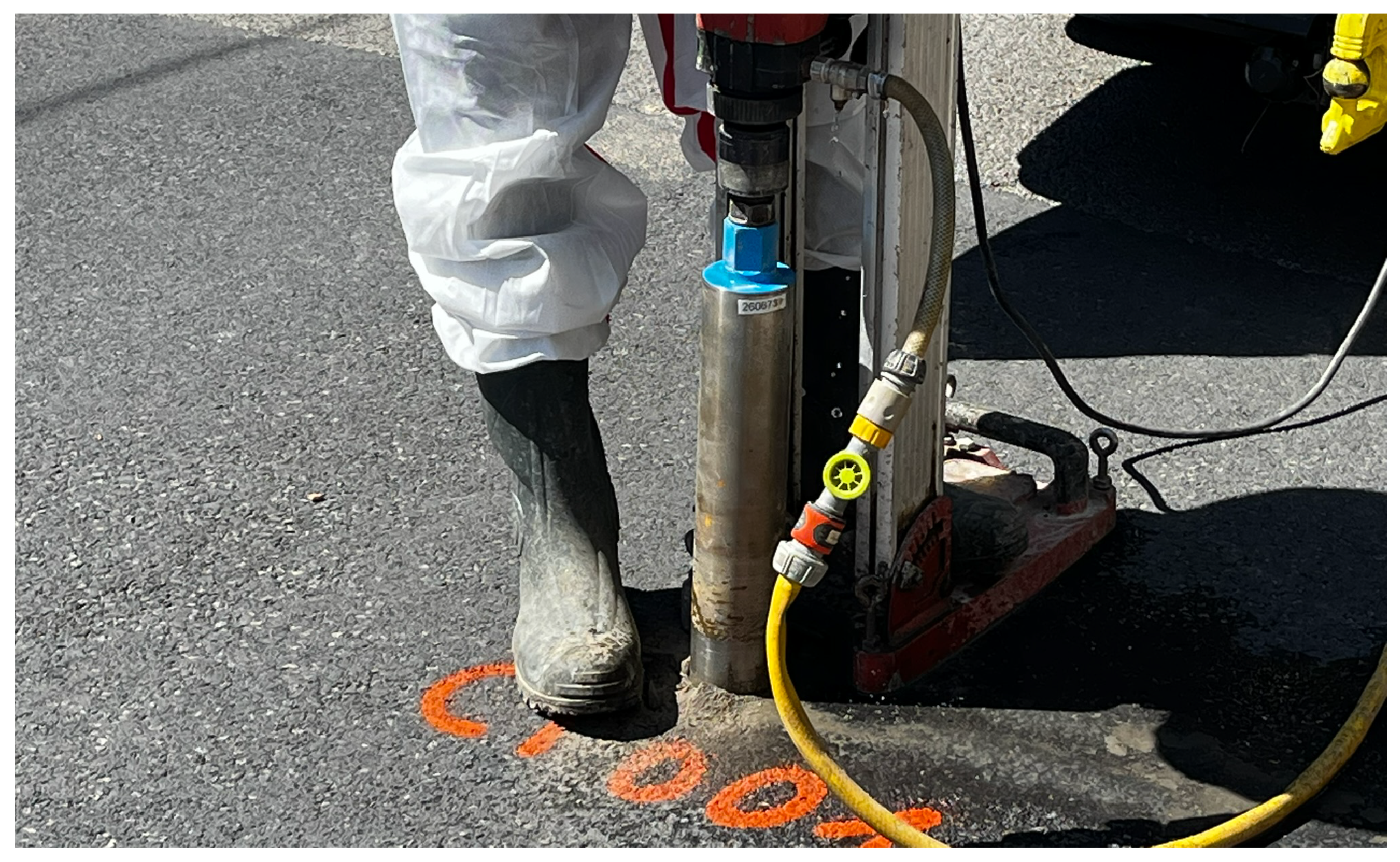
The first step is to assess the road network. This means collecting clear and reliable data about the condition of each road section, such as surface quality, cracks, skid resistance, and pavement strength.
Without this information, it becomes difficult to identify which roads need repairs first.
2. Prioritizing Maintenance Needs
Not all road damage requires urgent action. Some sections need immediate repairs, while others can continue to be monitored over time.
Prioritizing maintenance helps make better use of available budgets and reduces unnecessary spending.
3. Planning Maintenance Over time
A long-term road maintenance plan helps anticipate future needs and spread costs over several years. It also supports discussions with elected officials and funding organizations.
In addition, it gives infrastructure managers a practical tool for planning and communication.
The Role of Expertise in Transport Infrastructure Management
Managing a road network requires clear and up-to-date information about road conditions.
However, not all local authorities have the staff or technical resources needed to carry out regular inspections and road assessments.
Working with specialized experts helps to:
- get a clear evaluation of pavement conditions
- make maintenance decisions more reliable
- create a clear and consistent maintenance plan
- identify the causes of road damage, whether linked to design problems, construction issues, or material aging, in order to prevent similar problems in the future
At NextRoad, we support infrastructure managers throughout the entire process, from pavement assessments and maintenance planning to construction supervision and project follow-up.
Preventive Maintenance: An Investment, Not a cost
Preventive maintenance should not be seen as an extra cost. Instead, it is a practical way to control budgets and keep roads in good condition over time.
Spending one euro at the right moment can help avoid much higher repair costs later.
As budget pressure increases and environmental concerns grow, planning ahead for road deterioration has become an important part of road infrastructure management.