

Roudesse Viaduct: NextRoad at the Heart of the RN88 Project
The Roudesse Viaduct, located near Saint-Hostien (43), marks a major milestone in the modernization of the RN88, a strategic highway connecting Lyon (69) to Toulouse (31).
In this context, NextRoad participated in the groundbreaking ceremony for this major project on Friday, April 17, 2026, marking the start of a project that has been anticipated for several decades to improve traffic safety and flow in the Massif Central.
A major project for Route 88
Led by the Auvergne-Rhône-Alpes Region, the RN88 bypass between Saint-Hostien and Le Pertuis is a major infrastructure project for the region that has been long awaited.
Specifically, this project includes:
- 10.7 km of a four-lane highway
- improved safety on a road prone to accidents
- smoother traffic flow
- reduced disturbances for local residents
Today, nearly 15,000 vehicles per day, including many heavy trucks, still pass through the affected town centers.
As reported by several local media outlets, this project has been eagerly awaited for many years by local elected officials and residents (source: local press, L’Éveil de la Haute-Loire).
The Roudesse Viaduct: a key structure of the project
At the heart of this project, the Roudesse Viaduct will span the valley, with traffic flowing toward Le Puy-en-Velay (43) in one direction and toward Saint-Étienne (42) in the other, in order to:
- Improve safety on a stretch of road known for its high accident rate
- Improve traffic flow
- Reduce noise and environmental pollution for local residents
- Enhance the economic and regional appeal of the Haute-Loire
The structure will be approximately 250 to 280 meters long, depending on the direction of traffic, and will reach a height of up to 25 meters.
Furthermore, the structure is designed to minimize its impact on the landscape and the environment, while meeting performance and sustainability requirements.
A collaborative project involving many stakeholders
This project involves numerous public and private stakeholders:
Project Owner: Auvergne-Rhône-Alpes Region
Project Managers: Ingérop, GEOS, AEI
Construction contractors: Campenon Bernard Centre Est, GAGNE, Terélian
Numerous engineering firms and specialized companies are also participating in the project (VERDI, SGI, Briva Structure, etc.), illustrating the technical complexity of this structure.
NextRoad, the project's technical partner
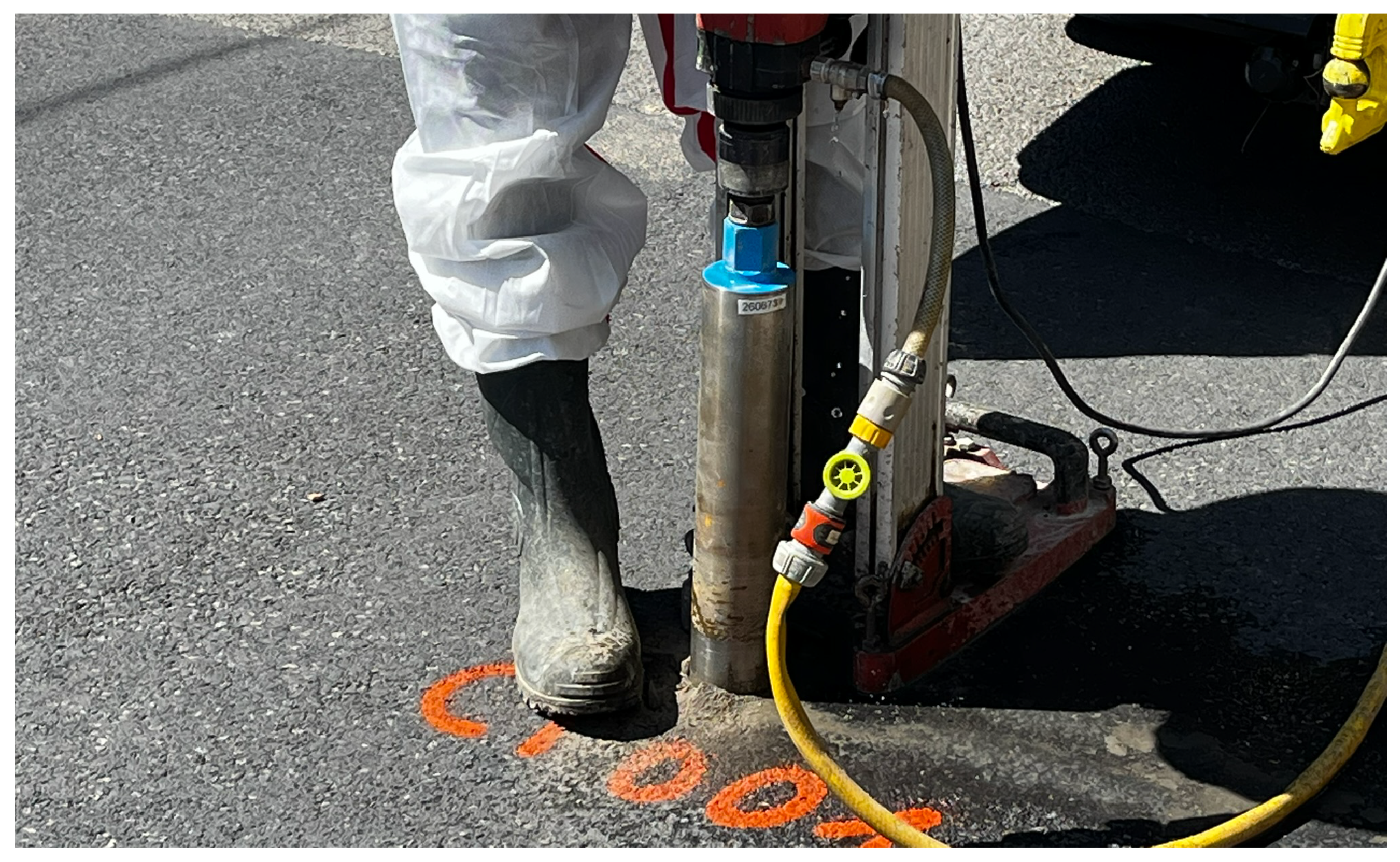
More specifically, NextRoad acts as a technical consultant for initial checks and inspections throughout the entire project.
These services begin in the earliest phases of the project, with the aim of ensuring that structures and infrastructure comply with regulatory and technical requirements, in collaboration with the various parties involved in the construction site.
The tasks carried out by NextRoad include:
- inspection of materials and structures
- verification of the compliance of structures under construction
- inspection of critical elements related to infrastructure safety
These operations are essential for anticipating technical risks and ensuring the overall quality of the project from the outset.
On a large-scale infrastructure project such as the RN88, there are multiple challenges:
- user safety
- long-term performance of structures
- resistance to environmental stresses
NextRoad’s involvement helps ensure the safety of every stage of the project by providing independent and rigorous expertise on the condition and quality of the work.
A multi-year implementation schedule
The project is part of a phased plan that includes:
- preparatory work
- earthwork phases
- construction of engineering structures
Full operation will begin after several years of construction.
Why this project is strategic for the region
The modernization of Route 88, and in particular the construction of the Roudesse Viaduct, is part of a long-term regional development strategy. This major transportation corridor plays a key role in the balance and development of the Massif Central.
A long-awaited improvement in access to the Haute-Loire
The Haute-Loire remains a relatively isolated region, with travel times that can sometimes be a hindrance for both daily commutes and economic exchanges.
The upgrade of the RN88 aims to improve the region’s accessibility by facilitating connections to major urban centers such as Saint-Étienne and Lyon.
Its gradual expansion to a four-lane highway enhances the continuity of traffic flow, particularly for freight transport.
On a national scale, this type of infrastructure helps better organize trade between regions by offering an efficient alternative to major highway routes.
A catalyst for local economic development
Improving accessibility and traffic flow directly contributes to:
- business establishment
- the development of business parks
- the attractiveness of rural areas
By reducing transportation constraints, the project helps strengthen the economic competitiveness of the Haute-Loire, in line with the regional development policies promoted by the Auvergne-Rhône-Alpes Region.
A tangible improvement in the quality of life
Beyond the economic implications, rerouting the RN88 will significantly reduce the negative impacts on the town centers it currently passes through.
Today, traffic—particularly heavy trucks—causes:
- noise
- pollution
- road safety hazards
Rerouting traffic to a dedicated route will result in:
- a reduction in traffic through village centers
- improved safety for residents
- a better quality of daily life
Furthermore, these benefits are regularly highlighted in impact studies and public surveys conducted under the auspices of DREAL Auvergne-Rhône-Alpes.
Follow us on LinkedIn: https://www.linkedin.com/company/nextroad/
Want to learn more? Contact us!